




26 سپتامبر Why Ferragamo Bags Endure A Gift for Her
The Boxy vs Slouchy Bag Styles— A Detailed Examination
Across decades of work, Salvatore Ferragamo has refined the visual grammar behind Italian leather goods, and that fluency is most visible in the tension between two contrasting design philosophies: the precise, architectural shaping of structured styles set against the relaxed ease of slouchy silhouettes.
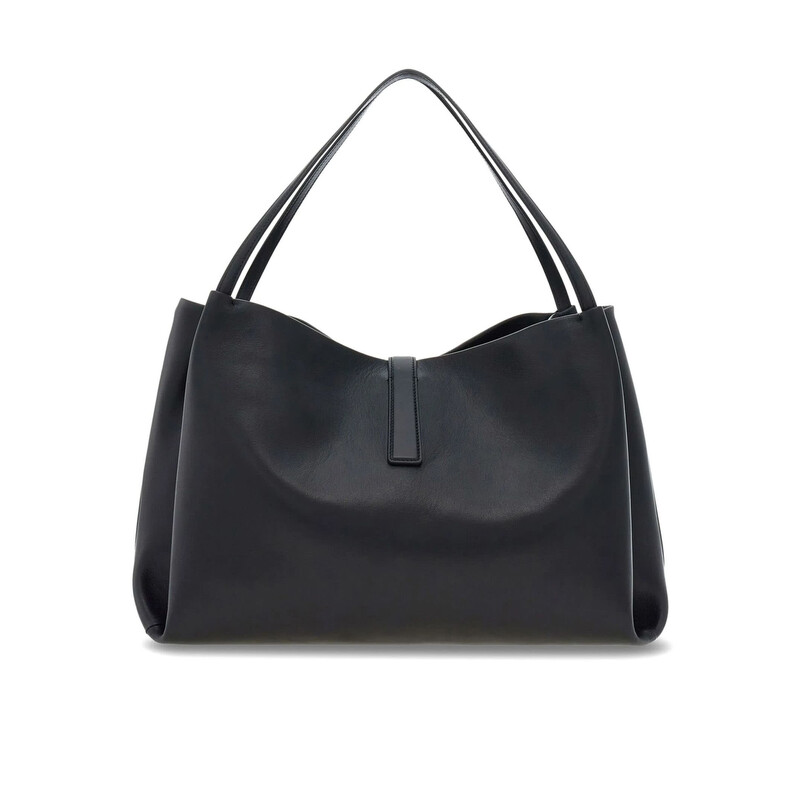
Shoppers scrolling through a Ferragamo shop today will notice that the house stays neutral between the two. Instead, it builds two complementary accessory collections, one grounded in structure, the other alive with motion.
Understanding the difference matters if you aim to select a piece that will truly prove its worth in regular wear rather than remain tucked away unused.
This split between the two is anything but just surface-level. Bags with a structured build are engineered with built-in frames, reinforced panels, and meticulous seams to hold a fixed shape regardless of how much you cram inside them. On the flip side, slouchy bags lean on more supple leathers and less rigid tailoring, causing it to shift shape depending on the way it’s worn. These two philosophies appear throughout the current Ferragamo bags collection, and each has devoted fans for very different reasons. What follows breaks down what sets them apart, where the craftsmanship diverges, and which styles from the brand’s existing range lean into each approach.
Tailoring Terms: The Thing “Structured” In Practice Signifies
A boxy-construction Ferragamo bag is built from a rigid base, frequently strengthened by a firm board or dense foam insert stitched in between two layers of leather. As a result, the bag stays perfectly upright on a table, resisting any lean or collapse. The Ferragamo Studio bag is the clearest example in the current range: its boxy silhouette, sharp corners, and top handle depend entirely on this internal architecture. Take away the structural support, and the leather would lose its shape entirely, falling flat.
Hardware matters more in structured pieces than buyers realize. Metal frames, turn-locks, and reinforced handle attachments all need a sturdy body to be mounted on, since leather without backing can’t support ongoing pressure at a concentrated area without warping or ripping over time. That’s why structured bags from Salvatore Ferragamo tend to feature more substantial closures, whereas slouchy styles rely more on zips or magnetic snaps that don’t require the same anchoring strength.
Leather selection is different too. Structured designs typically https://salvatorebags.com/hug-bags/ use full-grain or lightly corrected hides that maintain a fold line precisely where it’s cut, lending an edge that feels crisp and nearly sculptural. It’s partly why structured bags shoot so uniformly — its form remains steady across images, which is significant for a Ferragamo shop that wants to represent a product faithfully on its site. The downside is added weight; on average, structured bags outweigh their slouchier counterparts owing to the reinforcement built inside them.
Finally, bags with a defined structure are inclined to keep their resale worth more consistently. Given that the shape resists wear the way softer leather might collapse or crinkle as it ages, a structured Salvatore bag purchased today is better positioned to appear well-kept in five years with minimal upkeep. This matters practically for anyone regarding a Ferragamo bag as a durable, long-range purchase rather than a trend-driven buy.
Why a Slouchy Cut Wins: Softness, Tactile Ease, and Real-Life Usefulness
Comfort wins out over structure in relaxed-silhouette bags, and this compromise turns out to be advantageous. A softer hide, often napa or a subtly grained calf leather, shifts along with the wearer’s movement rather than fighting it, and that’s why relaxed hobo and shoulder silhouettes continue to be favored for everyday travel. The Ferragamo Wanda, especially in its softer forms, is a clear example of this — it stretches to accommodate more while still looking sleek, as the leather is designed to give rather than resist.
Slouchy construction also alters weight distribution. Since there’s less internal hardware and stiffening material, such styles often end up less weighty, a detail that counts over an eight-hour workday when a bag stays carried on just one side. Since they flatten a bit to slot into carry-on luggage rather than keeping a rigid, bulky form, those comparing the best Ferragamo bags for travel frequently favor relaxed, unstructured designs.
The design-related case counts as well. Relaxed, unstructured bags register as more relaxed and less blatantly branded, which suits buyers who want their Salvatore Ferragamo bags to integrate seamlessly with casual wardrobes rather than make a loud statement. With denim, tailored trousers, and other looks, a stiff, boxy accessory would look out of step with the rest of the outfit, which is why this soft, unstructured hang works particularly well.
There is an aspect of durability that’s best discussed openly. Soft leather is more prone to surface creasing and wrinkled texture with extended use, above all when the bag goes unstuffed for stretches or kept in poor conditions. It shouldn’t suggest it breaks down at a faster rate in terms of its actual construction, but its look will shift to a greater degree than a firmer-bodied bag. People who’d like a relaxed, slouchy style to retain a like-new look after years of use need to pay closer attention to filling it with tissue paper during storage.
Setting Side by Side Both Methods Side by Side
Rigid and relaxed Ferragamo bags usually differ across the factors that matter most to a real buyer — shape retention, weight, everyday flexibility, and how they age — and seeing this side by side turns the contrast into something tangible.
| Consideration | Structured Designs | Soft-Silhouette Styles |
|---|---|---|
| Form stability | Maintains a unchanging form irrespective of contents | Silhouette adapts depending on its contents and carrying style |
| Typical weight | Denser due to inner structuring | Less substantial, better suited to all-day wear |
| Where it shines | Office settings, formal events, capsule wardrobes | Travel, everyday casual wear, layered looks |
| Aging characteristics | Keeps clean lines over years of use | Develops relaxed folds; wear that adds personality |
| Metal detailing | Bolder locks, structural frames, and closures | More understated zips or magnetic closures |
| Care demands | Minimal — shape is self-supporting | Needs stuffing to prevent lasting wrinkles |
Neither column is objectively superior; what works best depends entirely on real everyday habits with the bag. A car commuter working in a formal office setting will likely rely more on a structured style, while someone navigating public transit or frequent travel will likely find a slouchy bag less fatiguing over time.
Reading the Current Ferragamo Bags Lineup Summary by Grouping
In today’s Ferragamo bags lineup, the range is loosely split into three functional tiers: structured top-handle bags fit for formal or office use, shoulder-and-crossbody styles that combine firmness and give, and fully soft hobo bags built around roominess and ease. Thanks to this structure, shoppers can move between categories without stepping outside the brand’s range.
Ferragamo’s precision-driven craft shows up most clearly in the top-handle category. Crisp lines, symmetrical stitching, and tone-matched hardware finishes often echo the exactness of Ferragamo’s shoes. That’s why, these bags frequently top any shortlist of the best Ferragamo bags for professional settings, given its reliable silhouette in meetings or on a desk.
Occupying the space between rigidity and ease, crossbody styles are by many accounts the most versatile option in today’s collection. Their semi-structured build keeps form intact when worn close, while the strap and side panels offer just enough flex to stay from looking rigid. Because of this, this category is often counted among the brand’s best bags for buyers after a bag that photographs well and handles daily life.
Soft hobo-and-tote pieces round out the range, and it’s here that the label most heavily embraces the use of supple hides. This category often use larger leather panels with fewer seams, which at once lowers rigidity and puts on display the hide’s inherent quality, since there’s less stitching to distract from the material. For buyers specifically comparing Salvatore Ferragamo’s top bags across categories, this gentler category tends to lead in comfort while trailing in dressier versatility.
Weighing the Two Options for Practical, Everyday Situations
The most practical way to decide is to take stock of your own week as opposed to your wish list. Note how often you’re desk-bound compared with being on the move, and be honest about whether you’re someone who clears out their bag every evening or keeps it packed for weeks at a stretch. Structured bags reward routine and predictable use; relaxed, unstructured bags reward adaptability and tolerate inconsistency.
Price considerations also shape this decision, if indirectly. Because structured bags require more components — internal stiffening, strengthened hardware fittings, precise panel cutting — they tend to require greater production effort, which can be reflected in how a Ferragamo shop prices comparable sizes across the two categories. It’s not an absolute pattern, but it’s a tendency worth keeping in mind if cost is a deciding factor alongside aesthetics.
Contrary to what most shoppers assume, weather and local routines play a bigger role. In damp, moisture-heavy climates, relaxed slouchy hides can absorb more moisture and demand extra care and treatment, while structured bags with treated or coated leather panels tend to hold up somewhat better against the elements. Anyone shopping ferragamo bags for year-round use in a variable climate should factor this into the decision rather than deciding on looks alone.
When it comes down to it, many Ferragamo owners end up with one of each — a rigid-frame option for formal or unforeseen occasions, and a relaxed, unstructured bag for everyday moments that don’t demand close scrutiny. That pairing reflects how the brand itself designs its collections: not as a single point of view, but as two unified solutions addressing two distinct daily challenges, both realized through the same enduring devotion to Italian leathercraft that has defined Salvatore Ferragamo since its founding.