




26 سپتامبر What Is Tory Burch Brand Tory Burch Collection
Tory Burch Leather, Suede, Canvas and Knitwear: Care Basics
A single wardrobe from this label may hold five or six materials, each wanting a quite different routine. Because a saffiano tote, a suede bucket bag, a nylon drawstring, a coated jacquard wallet and a cashmere cardigan all age differently, whatever rescues one of them is perfectly capable of wrecking another. The structure below follows materials rather than products, because the correct action is decided by the material. Work out what you are holding first: check the interior label, feel the grain, and watch how light falls on the surface. Smooth leather gives a soft reflection, patent a hard one, saffiano a fine cross-hatch, while suede carries a nap that shifts colour under a brush. Getting that identification right is most of the work.
Boundaries of How Much Could Be Verified
There was no official brand care guidance to be found for this article, and none is claimed here. Material-specific care documents appear to sit on the company’s client-services pages, yet no usable body text could be extracted from them. Nothing in the sections below is quoted or paraphrased from the brand, and all of it is general material practice taken from standard leather-goods and textile handling. Where a piece arrives with a printed care card, the card overrules anything written here. Nor could any brand-run repair or refurbishment service be identified, so structural damage sends you to client services or to an independent leather specialist. That gap is worth knowing before presuming that a factory restoration exists.
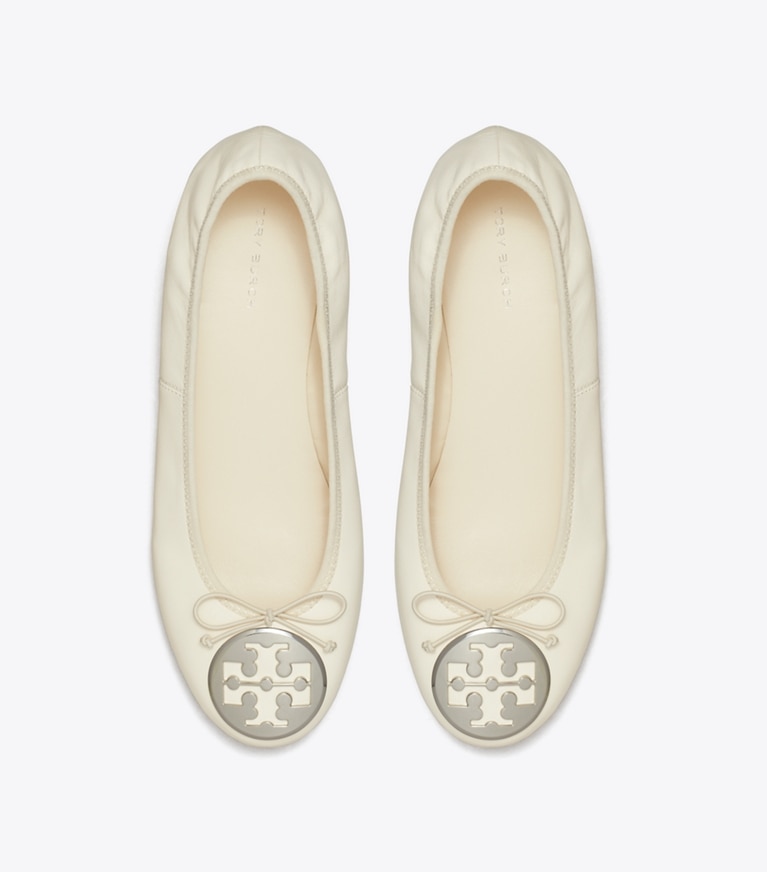
Leather, the Widest Group in the Wardrobe
Most of what people own here is leather, and that single word hides several very different finishes. Product naming across bags and shoes has included nappa, pebbled leather, spazzolato, saffiano, patent and suede, each behaving differently under water, oil and abrasion. The shared principles are short. Keep leather away from direct heat and long sun exposure, never seal it in plastic, blot spills instead of rubbing, and test any new product on a hidden seam first. Colour transfer is the most common avoidable damage: raw denim onto a light bag, printed paper onto a pale wallet, a dyed seat onto a tote. Below, the group splits tory burch website into finishes that need feeding and finishes that need nothing more than wiping.
Smooth, Pebbled and Nappa Leather
These surfaces carry no coating or only a light one, which is why they behave like skin. Dust them with a soft dry cloth after use, lift marks with a barely damp cloth, then air dry away from radiators. Condition sparingly, a few times a year at most, with a cream meant for finished leather applied thinly on a cloth. Over-conditioning, not under-conditioning, is the usual error, and it leaves a tacky surface that gathers dirt. Never use alcohol, solvents, household cleaners or baby wipes, all of which strip the finish and leave a permanent dull patch. Warm a scratch in pebbled leather with your fingertips, then rest the bag, and it will often relax.
Saffiano, Spazzolato and Patent
Saffiano, the cross-hatched coated finish long linked to the structured Robinson styles, is the least fussy surface in the range. A damp cloth wipes it clean, water troubles it far less than it troubles nappa, and light scuffing barely registers. The vulnerable areas are the corners and painted edges, where wear shows first and where conditioner will not help. Spazzolato is a brushed, burnished finish that reads slightly two-tone and should be handled like saffiano rather than nappa. Patent also wipes clean, but it absorbs colour from anything it touches and that transfer is effectively permanent, so store it away from other coloured leathers and printed paper. A soft cloth and nothing else is the correct patent routine.
Suede and Nubuck
Suede is the material that most often ends a piece early, and most of that damage happens in the first month. Before first wear, give it a protector spray made for suede, applied outdoors in light even passes and left to dry completely. Keep water and liquid stain removers off it, because wetting suede flattens the nap and leaves a ring that will not lift at home. Between wears, raise the nap with a suede brush worked in one direction, and take dry marks off with a suede eraser or a fine emery board. For grease, reach for an absorbent powder overnight rather than for any liquid. For suede among your tory burch shoes, use cedar trees, rotate pairs so they dry out, and keep another pair for wet days.
Canvas, Jacquard, Nylon and Terry
Coated canvas and the all-over T Monogram jacquard fall between fabric and leather, so spot-cleaning replaces washing. A mild soap solution, a soft brush, small circular movements, a clean damp cloth for the residue and drying well away from direct heat is the sequence. Never machine wash a coated or jacquard piece, because agitation separates the coating from its backing and nothing reverses that. Nylon, the material of the Ella tote family, is the most washable thing in this list, though it still prefers spot-cleaning and air drying and never belongs in a tumble dryer. A cool wash generally suits terry and cotton pieces from the swim range, so long as fabric softener is left out. Leather trim is the deciding factor: a leather base, handle or strap makes the whole piece a spot-clean item.
Caring for Knitwear in Merino, Cashmere and Wool
Knitwear is where the most expensive mistakes happen, because one hot wash is unrecoverable. Dry-cleaning, or a cold hand-wash in a wool detergent with minimal agitation and no wringing, is what merino, cashmere and wool want. Water comes out against the side of the basin, the garment then rolls into a towel, and it dries flat and reshaped by hand, never on a hanger. Soft fibres pill as a matter of course rather than as a fault, and a knitwear comb or fabric shaver takes it off without thinning the surface. Sweaters store folded, with cedar in place of mothballs, inside a breathable cotton bag rather than a plastic box. A recurring feature of recent tory burch clothing, beaded and embroidered knitwear belongs to a specialist cleaner and should lie flat in storage with tissue between folds.
Edge Paint, Hardware and Fastenings
The cast Double T medallions, turnlocks, zip pulls and chain straps are plated rather than solid, and plating is thin. Dry-buff them with a soft cloth and stop there, because metal polish strips plating and leaves bright patches that cannot be restored. Hardware wants no contact with perfume, hairspray or hand cream, all of which speed up tarnish and leave a cloudy film. Zips survive longer when the teeth get an occasional dry brush and no slider caught on lining is ever forced. Edge paint on straps and corners is the first thing to crack on any leather bag, and once it lifts the honest fix is a specialist. On shoes, a thin rubber half-sole fitted before first wear costs far less than a resole.
A Quick Reference by Material
The table condenses each material into what to do, what to avoid, and where wear appears first. It is a summary of the sections above rather than a replacement for them, because the reasoning matters more than the instruction. The wear column earns its place when you buy secondhand, since those areas receive the least generous photographs. None of it is brand guidance, and nothing in it overrides a care card that came with a product. Try a new cleaning or conditioning product on a hidden area, then leave it a day before deciding. When two materials meet on a single piece, the more delicate one sets the rule.
| Material | What to do | Avoid | Where wear shows first |
|---|---|---|---|
| Nappa, pebbled and smooth | Dry cloth plus occasional light conditioning | Solvents, alcohol, baby wipes and any heat source | Corners, strap folds and the base |
| Coated saffiano, brushed spazzolato | Damp cloth wipe | Abrasives, over-conditioning | Edge paint and corners |
| Patent finishes | Soft cloth only | Contact with dyes and printed paper | Colour transfer on flat panels |
| Nubuck and suede | Protector spray, then brush and eraser | Liquid stain removers and water | Toe, heel, high-contact panels |
| Nylon, jacquard and canvas | Spot-clean, air dry | Machine washing, tumble drying | Handles and base seams |
| Merino, cashmere, wool | Dry-clean, or hand-wash cold and dry flat | Hot water, hangers and softener | Underarms, cuffs, elbows |
| Plated metal fittings | Soft cloth, buffed dry | Perfume, hand cream and metal polish | The logo faces, then the zip pulls |
Storage, Rotation and the Point at Which to Stop
More longevity comes from storage than from any amount of cleaning. Keep bags in their dust bags, lightly stuffed with acid-free tissue to hold shape, upright rather than stacked, and out of direct sun. Because leather needs to breathe, never shut it inside a plastic box, and never put anything away while it is still damp. Daily use with no recovery time causes more premature failure than anything else, which is the argument for rotating what you carry and wear. Pockets come out empty first, as a pen or keys left inside will emboss the lining and eventually the leather itself. Know when to stop: cracked edge paint, a torn lining, a failed zip, a lifted sole or water damage on suede is specialist territory, and home attempts usually turn a repairable fault into a permanent one. Any piece bought secondhand or in a tory burch sale is worth one professional clean at the outset.