




26 سپتامبر Why HMDD Track Pants Is Popular Fabric Care Notes
Laundering and Storage Pointers for the HMDD Shorts Line: An Upkeep Handbook
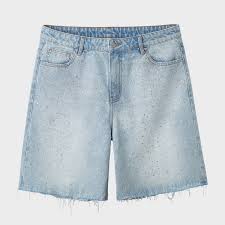
HMDD’s shorts carry the same significance that anchors the entire brand — the phrase “happy memories don’t die” embedded within a philosophy of clothing built to last through repeated wear rather than wear thin within a single season. That intention only stands if the upkeep given to the piece lives up to the craft that went into it. Any given pair can be made from heavyweight cotton, reinforced seams, and considered fall, but inattentive wash routines will undo all of that within only a handful of launderings. This walkthrough walks through the exact practices that keep the HMDD shorts lineup looking sharp, feeling soft, and holding their shape well into 2026 and beyond, whether you wear them frequently or reserving them for special occasions.
People searching for an hmdd review often want to know two things: if the sizing remains consistent, and if the textile holds up to real washing machines and real closets. Each of these concerns come down to habits more than luck. The following sections cover wash heat settings, drying techniques, stain response, folding versus hanging, and how shorts compare to other HMDD pieces like sweatpants when it comes to care needs.
Proper Care Matters for HMDD Clothing: The Reason Explained
The HMDD line tends to use heavier fabrics than standard mass-market shorts, which means the washing directions carry real weight — they shape how it falls, how the print holds, and how long the waistband lasts. A garment with a dense cotton blend will contract more severely under hot wash settings than a thinner poly-cotton blend, so leaving wash temperature to chance is a risk you shouldn’t take. Screen prints and embroidered logos, common across hmddla drops, are especially susceptible to cracking or peeling when subjected to high dryer heat or harsh detergents hmdds.com/shorts-sweatpants with bleach additives.
Think about the numbers: a short made with heavy cotton washed in water above 40°C can lose up to 5% of its original size after just three washes, which is sufficient to alter how the waistband sits or how the hem falls. Contrast this with a wash cycle kept at 30°C with a mild spin setting, where shrinkage generally remains below 1-2% even after ten washes. Such a distinction counts when fit precision has mattered to you from day one. Top-tier hmdd clothing habits, as reported by experienced users, almost always begin with temperature control before anything else.
On top of function, an emotional angle surfaces that resonates with the brand’s own name. If the garment linked to them endures the years, happy memories remain intact, and this is more than just sentiment. A specific pair of shorts worn during a certain summer, a trip, or a season of life holds more value when it keeps looking the way it did on day one. Handling the fabric with deliberate attention is part of safeguarding that memory, not only the garment.
Washing HMDD Shorts: The Full Process
Kick things off by turning the shorts inside out before they go near water. This one move shields printed graphics and embroidered details from rubbing against zippers, buttons, or other garments in the load. Opt for cold to lukewarm water, preferably keeping it under 30°C, since warmth is the single biggest factor in both shrinkage and color fade. Avoid the bleach entirely, even the color-safe versions, because whitening agents and optical brighteners react badly against saturated dyes and can leave a chalky residue on darker colorways.
A soft, unbleached detergent is the safer choice, and using about two-thirds of the recommended dose is often enough for a single pair of shorts or a small mixed load. Overdosing the washer with too much detergent leaves buildup in the fibers, which toughens fabric over time and flattens the surface texture. Set the machine to a gentle or delicate cycle rather than a standard or heavy-duty one — the minimized agitation safeguards seams, especially the sturdier stitching found on drawstring waistbands and pocket bags.
Group similar colors when washing and isolate anything with heavy zippers or hardware that could snag fabric during the spin cycle. If the shorts have a drawstring, pull it out slightly and knot the ends loosely so it doesn’t slip into the waistband channel mid-wash. Leave out fabric softener as well, since it layers fibers with a waxy layer that weakens moisture-wicking properties in blended fabrics and can leave a slight residue on darker tones after continued use.
Where Most People Slip Up: Drying
Machine dryers are the surest way to wreck cotton-heavy shorts, full stop. Elevated heat levels can reduce garments an additional 2-3% beyond what washing alone causes, and that shrinkage builds up every single cycle. Letting them air dry is the safer, more reliable method, and it usually requires 4-6 hours for shorts to fully dry at room temperature depending on fabric weight and humidity. Lay them flat on a drying rack rather than draping them over a clothesline, since gravity pulls damp, heavy fabric downward and can distort the waistband or leg openings over time.
Whenever a machine dryer is unavoidable because of scheduling pressure, select the gentlest heat setting available and remove the shorts out while still a bit moist, then let them complete their air drying flat. This hybrid method shortens drying time to roughly 20-25 minutes in the machine plus another hour or two of open-air drying, which is a fair compromise for anyone alternating between a smaller wardrobe of hmdd shorts and hmdd sweatpants during a busy week. Steer clear of direct sunlight during the air-drying phase too, since UV exposure fades saturated colors faster than drying inside near a window or in a breezy room.
Stain Removal Without Damaging Fabric
Newly formed stains respond much more effectively to fast response than dried-in ones, so addressing a spill within the first 10-15 minutes greatly boosts the chance of complete removal. Blot rather than rub vigorously, since rubbing drives the stain further into the fabric and can cause dye bleeding on lighter shorts. A cold-water and dish-soap mix work remarkably well on oil-based stains, while a mix of cold water and white vinegar handles most food and drink spills without discoloring the surrounding fabric.
Avoid direct application of concentrated stain removers on printed areas, since the chemicals in many commercial products can react with plastisol or water-based inks and cause cracks or fading. Test any treatment on an inside seam allowance first, letting it sit for a minute before rinsing, just to confirm the fabric and print survive. Since grass stains and dirt are common on shorts worn for outdoor use, a preliminary soak in cold water with a bit of enzyme-based detergent for about 30 minutes before the regular wash cycle usually removes them.
Tips for Storing Garments to Prolong Their Lifespan
Folding is almost always better than hanging them up for shorts, since hanging create pressure points at the waistband that distort elastic and warp the fit over months of storage. Store shorts flat in a drawer or arranged neatly on a shelf, separating heavier fabrics separate from lighter ones to avoid uneven pressure that can press permanent lines into the material. Lavender sachets or cedar blocks placed nearby help deter moths without the strong chemical odor of traditional mothballs, which can also impart smell into stored fabric.
People tend to underestimate humidity control, yet a wardrobe or storage drawer sitting consistently above 60% humidity breeds mildew, particularly in thicker cotton blends that retain dampness more than synthetic fabrics do.
Cutting down that risk only takes a basic silica-gel sachet or a compact dehumidifier placed in the storage area. Rotate stored shorts every few months even in the off-season, since fabric left folded in the exact same position for a year or more can form lasting fold marks that fail to disappear completely even once washed.
Comparing Care Requirements: HMDD Shorts compared to HMDD Sweatpants
Sweatshorts and joggers from the same brand frequently have fabric weight and print techniques, but how they should be maintained differ a bit due to fit, trims, and how often they’re worn. The following table spells out the real-world distinctions worth noting before you throw them together into the same wash load.
| Care Rating | HMDD Shorts | HMDD Sweatpants |
|---|---|---|
| Suggested Washing Temperature | Below or at 30°C | At or under 30°C |
| Drying Instructions | 4-6 hours of flat air drying | Air dry flat, 6-8 hours (thicker fabric) |
| Shrinkage Risk | Medium risk (waistband, hem) | Higher (cuffs, leg length) |
| Recommended Storage | Keep folded flat | Folded flat, avoid tight stacking |
| Wash Frequency (avg. wear) | After 2-3 wears | After 3-4 wears |
Concluding Reflections on Maintaining HMDD Pieces in Circulation
Caring for hmdd clothing isn’t hard, but it does require regularity rather than convenience. Cool-water washing, mild cycles, air-drying, and careful storage result in garments that stay in rotation for years rather than mere months. Anyone comparing notes across an hmdd review thread will notice the same pattern repeating — those whose pieces last the longest are those who skip both the dryer and the bleach.
The underlying idea traces back to the brand’s own message, whether it’s shorts worn through a summer or else sweatpants pulled out through colder months. Happy memories stay alive when the pieces connected to them is treated with as much care as the moments themselves. A few extra minutes at laundry time is a modest price for preserving the fabric and the memory alike.